
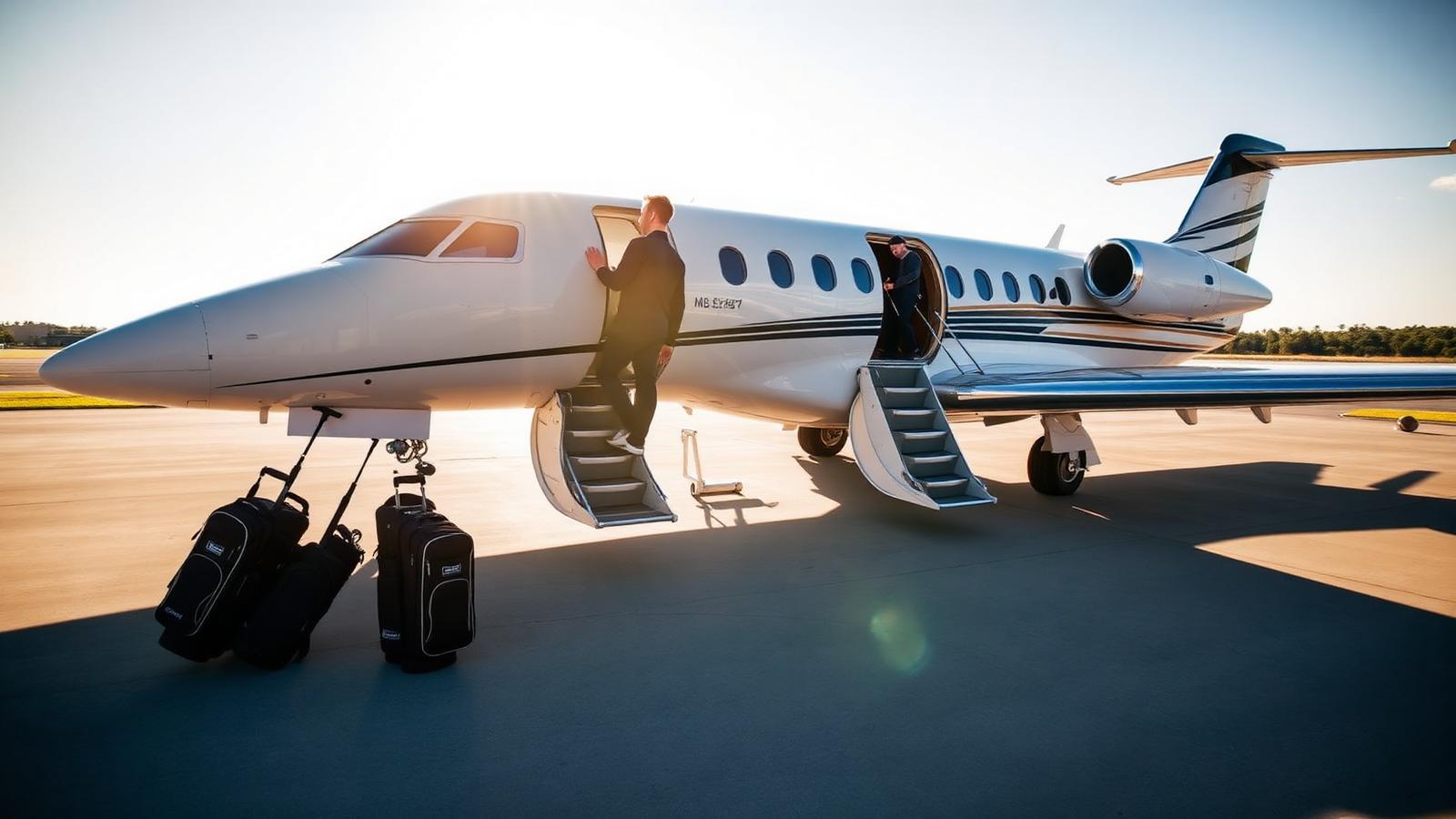
Jet Card vs Charter
When prepaid hours beat ad-hoc booking — and the specific golf-travel patterns where one model outperforms the other.
The decision between a jet card and ad-hoc charter is the single most important operational choice a golf-only private flyer makes. Jet cards trade flexibility and price-per-hour stability for an upfront capital commitment; ad-hoc charter trades upfront commitment for exposure to peak-week demand pricing and aircraft-availability risk. Most golf travelers oscillate between the two without understanding the breakpoints.
The honest math is this: 25 to 60 actual flight hours per year, on irregular schedules, with a tolerance for booking 7 to 14 days out — that profile is a jet card. Above 100 hours, fractional ownership wins. Below 20 hours per year, with at least 30 days of lead time on most trips, ad-hoc charter through a quality broker remains the lowest total cost.
Golf travel exaggerates the case for jet cards because the highest-demand weekends — Masters week, the U.S. Open host city, the British Open, the Ryder Cup — are precisely when ad-hoc charter prices spike 40 to 80 percent and aircraft availability evaporates. A jet card with peak-day inclusions in writing is worth its premium on three of those four trips.
When a jet card wins
Irregular bookings inside 14 days; peak weekend exposure (Masters, U.S. Open city, British Open, Ryder Cup); travel with consistent passenger count and bag load; preference for one operator-quality standard across every leg; willingness to commit $150,000–$500,000 upfront in exchange for fixed hourly rates and guaranteed peak-day availability with capped surcharges.
When ad-hoc charter wins
Trips planned 30+ days out, flexible date windows, no peak-week constraint, and a willingness to take a different aircraft type on each leg in exchange for the lowest possible price. A good charter broker (Jet Linx Aviation, Sentient, PrivateFly) will routinely beat jet-card hourly rates by 15–25 percent on advance bookings.
Programs editors actually use
NetJets Marquis Jet Card (deepest fleet, strongest peak-day record, highest sticker price). Flexjet Access (newest fleet average, strong concierge layer). Sentient Jet (broker-card hybrid, flexible on aircraft type). Wheels Up (best for shorter East Coast hops on light jets, less reliable on transcontinental). Avoid programs that decline to publish peak-day call-outs in writing.
What to negotiate before signing
Peak-day call-out count and surcharges; one-way pricing vs round-trip minimums; ferry-fee policy on positioning legs; pet, child, and catering policy; expiration and refund terms on unused hours; aircraft category substitution rules; and the operator's published on-time performance for the last 12 months.
About Jet Card vs Charter
- How many hours should I buy on my first jet card?
- Start at the program's minimum — 25 hours on most cards. Cards expire in 12–24 months; unused hours are typically refundable at a 5–10 percent penalty. Sizing up after the first season, with real usage data, costs far less than carrying unused hours.
- Are jet card hourly rates negotiable?
- The published rate is usually firm, but peak-day surcharges, ferry policy, and renewal-year pricing are routinely negotiable for cards above $400,000.
- What's the catch with broker-card hybrids?
- You may not know which operator flies each leg until 24–48 hours before departure. For travelers who value a consistent aircraft and crew experience, this is a meaningful drawback.