
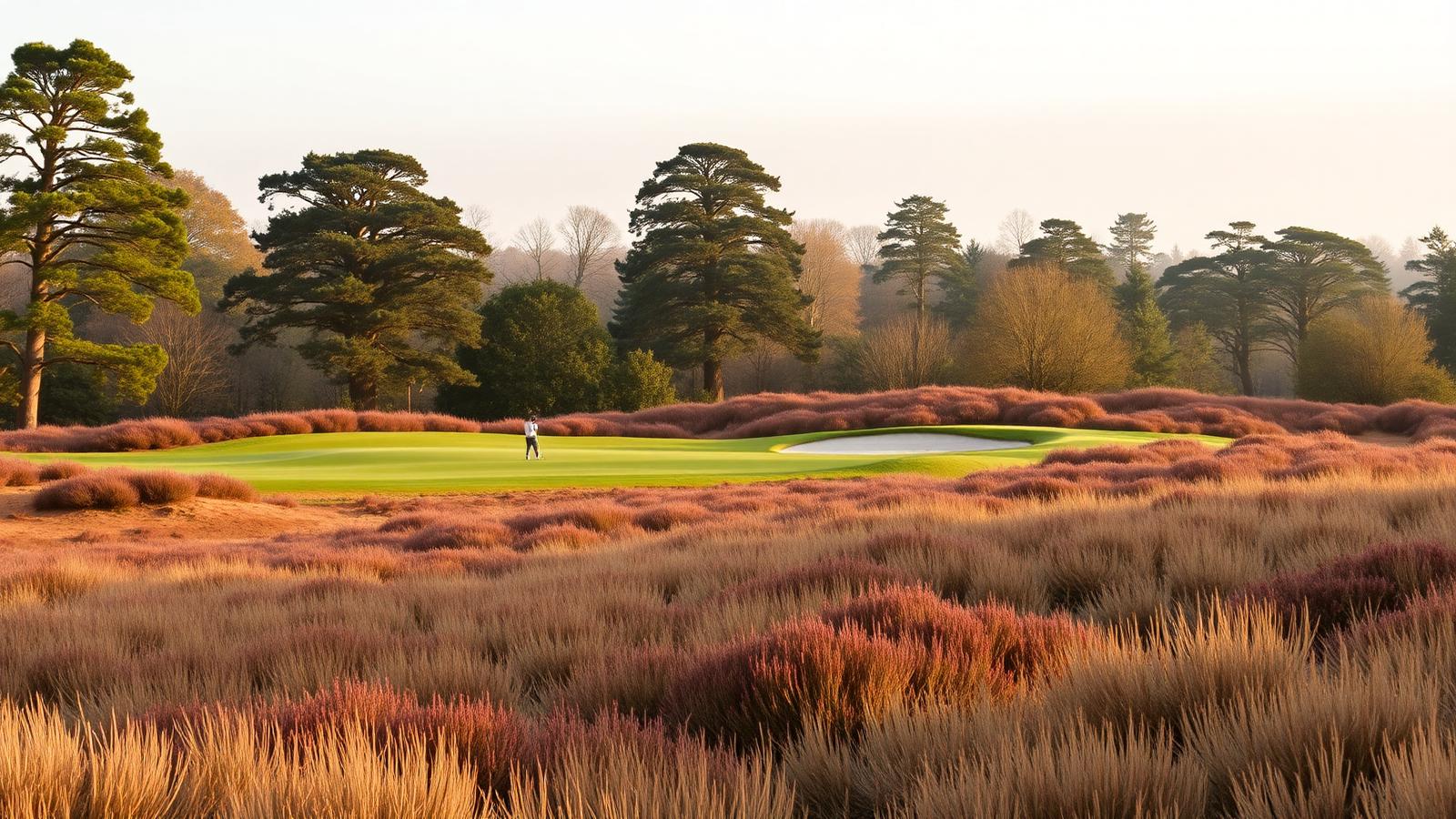
International Members' Clubs
Morfontaine, Royal Melbourne, Hirono, Sunningdale, Naruo, Royal County Down — the great private clubs of Europe, Australia, and Asia, and how reciprocal access actually works.
- Clubs Profiled
- 32
- Countries
- 11
- Editor Visits / Yr
- 25+
- Reciprocal Guides
- UK · EU · AUS · JPN
The private members' club is older outside the United States than within it. Royal Blackheath, the Honourable Company of Edinburgh Golfers, and Royal Aberdeen predate the founding of the USGA by a century or more, and their cultural posture — quiet hospitality, modest clubhouses, walking-only golf, an expectation that the visitor will arrive prepared — has shaped how reciprocal access works at every level of international play.
This hub covers the clubs that matter most to a serious traveling golfer: in the UK, Sunningdale Old and New, Walton Heath, Wentworth, Muirfield, Royal St George's, and Royal County Down; in continental Europe, Morfontaine, Falkenstein, Hamburger Golf Club, and Real Club Valderrama; in Australia, the Melbourne Sandbelt clubs (Royal Melbourne, Kingston Heath, Victoria, Metropolitan); in Japan, Hirono, Naruo, and Tokyo Golf Club; and a handful of newer Asian additions that have earned international standing.
Reciprocal access — the standing arrangement by which a member of one private club may request play at another — is the single most useful tool a traveling golfer has, and the single most misunderstood. We publish practical guidance for each region: which clubs maintain formal reciprocal lists, which require a letter of introduction from your home-club secretary, which lead time is realistic, and which dress codes and behavioral expectations are non-negotiable.
We treat international members' clubs with the same editorial seriousness as their American counterparts. Photography is restricted, member identities are private, and we publish nothing a club has asked us to keep off the record. What we do publish is what a thoughtful visiting golfer needs to know in advance — and we update it after every editor visit.
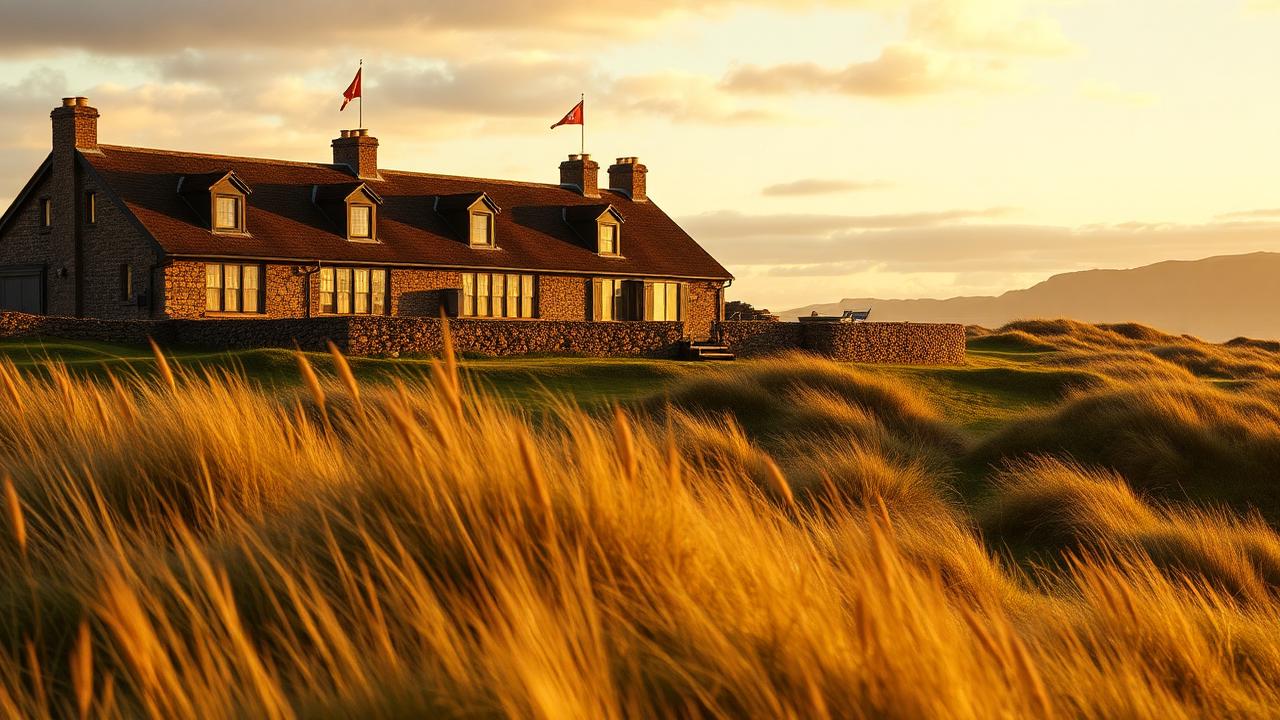
“Reciprocal access is a gift extended voluntarily by the receiving club. Treat it as one. The thank-you note matters as much as the green fee.”
Featured international clubs
Selected clubs from our ongoing international private-club coverage.
St Andrews — Old Course
The home of golf, on the Fife coast.
Muirfield
The Honourable Company's strategic links in East Lothian.
Carnoustie
Championship links on the Angus coast.
Royal County Down
Mountain-and-dune links in Northern Ireland.
Royal Portrush — Dunluce
Harry Colt's championship links on the Antrim coast.
Royal Melbourne — West
MacKenzie's sandbelt masterpiece.
Scotland — East Lothian
Plan a trip around Muirfield, North Berwick, Gullane.
Ireland Southwest
Ballybunion, Lahinch, Tralee, Old Head.
About International Members' Clubs
- How does reciprocal access work?
- A member of a private club in good standing requests play at a peer club, typically through their home-club secretary or general manager. The receiving club confirms availability, sets a guest green fee, and provides logistical guidance (caddies, dress code, lunch). Lead time of three to four months is standard for the most sought-after clubs.
- Can a non-member of any private club play these courses?
- Many of the UK and Irish clubs (Muirfield, Sunningdale, Royal County Down, Lahinch) offer limited visitor tee times to non-members, often midweek and outside peak season. Continental and Japanese clubs are typically members-only or members-and-introduced-guests; Morfontaine and Hirono fall into this category.
- What should I wear at a European private club?
- Tailored trousers, a collared shirt tucked in, soft-spike shoes, and a jacket for lunch in the clubhouse. Shorts are typically permitted on the course but rarely in the dining room. Denim is universally not allowed inside the gates.
- Is a caddie expected?
- In the UK and Ireland, a caddie is strongly encouraged at championship venues; trolleys (push or electric) are universal. In Australia, caddies are available at the top sandbelt clubs but not mandatory. In Japan, traditional caddie programs (often older women in full uniform) are part of the cultural experience and should be embraced.
- What is a letter of introduction and who writes it?
- A letter of introduction is a short note from the secretary or general manager of your home private club, on club letterhead, confirming your membership in good standing and requesting reciprocal play on specific dates at the receiving club. Allow your secretary two to three weeks to prepare and send it; the better international clubs will not act on a request that arrives without one.
- How does cash, tipping, and the green fee actually work overseas?
- Pay the green fee at the pro shop by card on arrival. Caddies in the UK and Ireland are typically £60–£90 per bag plus a £20–£40 tip, paid in cash at the end of the round. Japanese caddies are paid through the club; a small thank-you gift from your home country is appreciated. In Australia, caddies are tipped AUD $40–$80 above the club rate.